
Professional esports has transformed into a high-stakes industry where marginal gains dictate multi-million-dollar tournament outcomes. Behind championship titles is a complex infrastructure designed to optimize player output, reduce burnout, and hone reaction times.
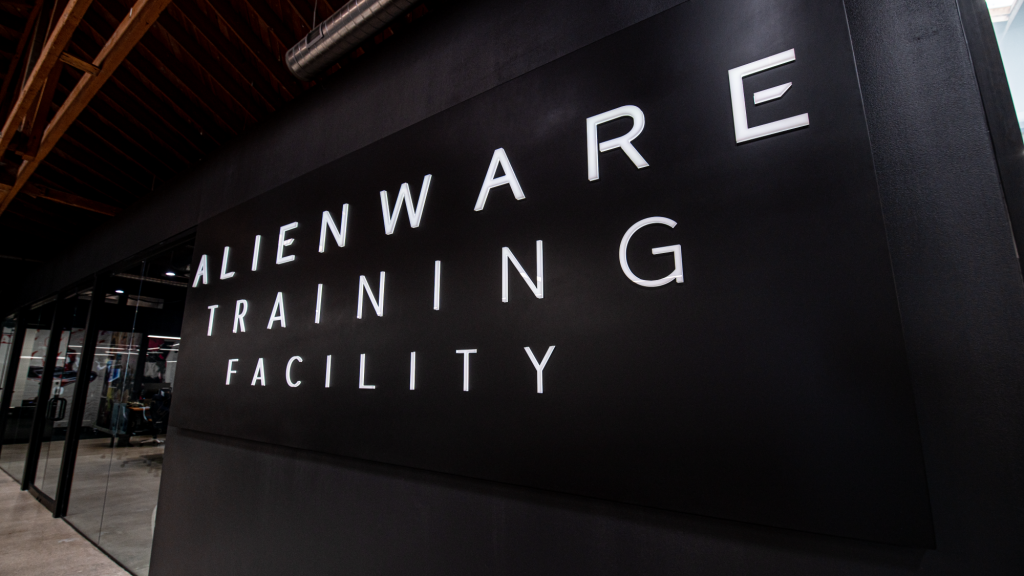
This overview examines Team Liquid’s Santa Monica Alienware Training Facility, highlighting how high-performance computing, specialized biometric tracking, strict sleep management, and dedicated on-site nutrition combine to support world-class esports athletes across titles like League of Legends, World of Warcraft, and Counter-Strike.
Facility Breakdown and Operational Pillars
| Operational Pillar | Facility Implementation | Competitive Benefit |
|---|---|---|
| Core Hardware | Alienware Aurora & Area-51 PCs, NVIDIA RTX 5090 GPUs, AMD Ryzen 7 CPUs | Eliminates frame drops and delivers peak visual clarity for fast reaction times. |
| Display Tech | Alienware 360Hz AW2725DF & 1440p OLED AW2726DM displays | Provides high refresh rates for fast shooters and high resolution for dense raid UI elements. |
| Biometric Analytics | Whoop bands, Pro Lab real-time gameplay and breathwork tracking | Identifies stress patterns, breathing habits during peeking, and optimal sleep windows. |
| Nutritional Support | Full-time private chef tailoring daily meals and dietary restrictions | Sustains energy levels through long tournament days while avoiding crash-inducing food. |
| Recovery Spaces | Strategy-free relaxation rooms, Philips Hue daylight lighting, on-site showers | Reduces mental fatigue, prevents eye strain, and provides crucial mental breaks. |
Global Infrastructure and Bootcamping Strategy
Esports organizations operate global networks to support athletes across multiple competitive titles. Team Liquid maintains three major facilities in Sao Paulo, Utrecht, and Santa Monica. While the European and South American hubs incorporate fan-facing retail areas, the Santa Monica location operates purely as an intensive athletic training center.
Situated near major publishers—such as Riot Games’ headquarters located just minutes away—the California facility hosts bootcamps prior to major events. Bringing players together in one physical location ensures equal server latency, precise real-time communication, and synchronized practice schedules for international events like the World of Warcraft Race to World First or League of Legends international majors.
High-End Gaming Hardware and Custom Workstations
Every workstation in the facility relies on high-end Alienware architecture. Powered by top-tier hardware, including AMD Ryzen 7 processors and NVIDIA GeForce RTX 5090 graphics cards, these systems handle demanding game builds alongside simultaneous streaming and analysis software.
Display choice depends heavily on the genre. While 1080p resolution remains the competitive standard for first-person shooters demanding extreme frame rates, titles like World of Warcraft require 1440p OLED panels to give players clear visibility during complex 24-player raid encounters. Dedicated staff re-image systems between team rotations to ensure clean software environments, while players customize ergonomic details down to measuring the exact physical distance between their chair, desk, and monitor.
Biometric Performance Tracking and Nutrition
Maintaining peak physical condition during multi-week competitions requires strict attention to health metrics. Players wear biometric monitoring devices, such as Whoop bands, to track heart rate variability, strain, and sleep patterns. Data analysis extends into gameplay, where metrics like breathwork during intense in-game moments are reviewed to correlate physical calm with aiming accuracy.
Schedule management plays an equally major role. Shifted schedules that emphasize proper rest—such as trimming continuous daily practice blocks from 15 hours down to 14 hours—have directly contributed to major tournament victories. Supporting these demanding schedules is an on-site culinary team preparing fresh, balanced meals tailored to complex dietary needs, dietary allergies, and vegan preferences.
Recovery Amenities and Environmental Control
Preventing mental burnout during long training cycles requires dedicated recovery areas. The Santa Monica facility includes quiet, low-light relaxation areas where game-related discussions are strictly prohibited, giving athletes a genuine mental break from competition.
Environmental design plays an active role in player health. Automated Philips Hue lighting systems simulate natural daylight cycles inside training rooms to preserve eye health and regulate circadian rhythms. Outdoor breaks, stretching routines, and accessible resting quarters nearby ensure players remain mentally sharp throughout extended competitive seasons.
Frequently Asked Questions
What hardware powers the Alienware Training Facility?
The facility utilizes custom Alienware Aurora and Area-51 desktop systems equipped with AMD Ryzen 7 processors and NVIDIA GeForce RTX 5090 GPUs. Displays include Alienware 360Hz monitors for competitive shooters and 1440p OLED panels for information-dense titles.
How do esports facilities monitor player health and fatigue?
Organizations use biometric wearables like Whoop bands to analyze sleep quality, strain, and recovery rates. Dedicated performance labs and coaches track real-time physiological metrics, enforcing strict rest schedules and custom nutritional plans to prevent burnout.
Why are training facilities built near game developer headquarters?
Proximity to developer hubs reduces travel strain during regional leagues and ensures ideal local server conditions during training. For instance, the Santa Monica facility sits minutes from Riot Games, making it an ideal bootcamp hub for League of Legends teams.