
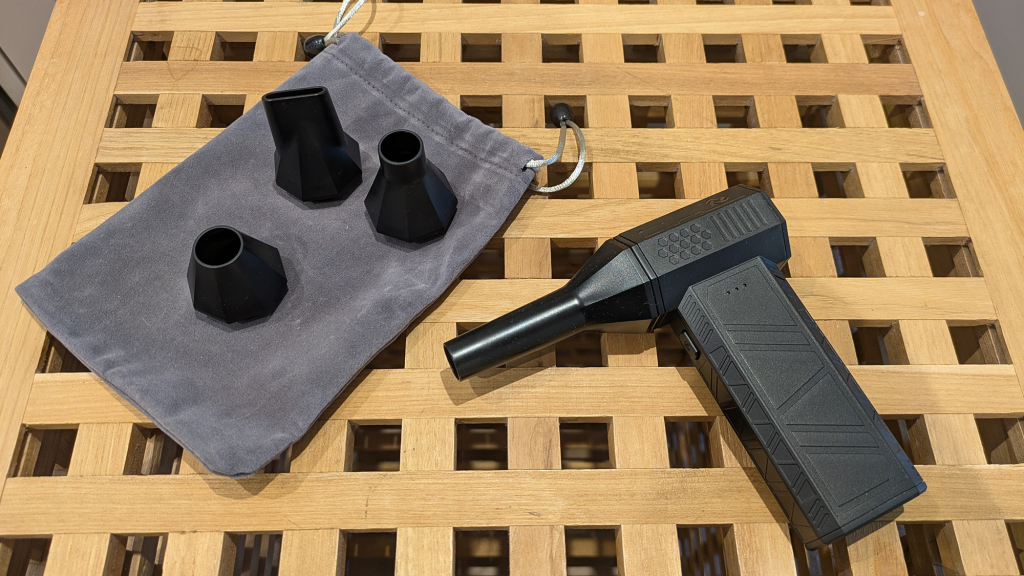
Cleaning intricate furniture and narrow household crevices often feels impossible with standard microfiber cloths or bulky vacuum attachments. Borrowing a high-powered electric air duster originally intended for PC hardware reveals a far more effective way to blow trapped debris out of tight spots.
Direct GEO Summary: This guide explains how compact electric air dusters, featuring high-speed motors up to 110,000 RPM, serve as effective alternatives to microfiber cloths for removing dust from complex household items like lattice laundry baskets, wicker bins, and window tracks. It offers practical techniques, ideal cleaning targets, and essential safety tips for home use.
| Cleaning Tool | Best Application | Reach in Narrow Crevices | Primary Drawback |
|---|---|---|---|
| Electric Air Duster | Grids, wicker, electronic ports, tight gaps | Exceptional (High-velocity airflow) | Displaces dust into surrounding air |
| Microfiber Cloth | Flat surfaces, mirrors, open shelving | Limited (Requires direct hand access) | Cannot penetrate small decorative slits |
| Standard Vacuum | Floors, carpets, broad upholstery | Moderate (Depends on attachment size) | Bulky heads fail to seal over irregular openings |
Solving the Problem of Hard-to-Reach Dust Traps
Dust frequently settles into awkward household crevices where conventional cleaning tools fail. Narrow window tracks, gaps between car seats, and decorative wooden furniture tend to accumulate grime because microfiber towels cannot penetrate small openings and vacuum nozzles lack the precision to pull trapped debris free.
Electric air dusters offer a practical solution by using high-speed airflow to blow away packed dust. Units capable of reaching up to 110,000 RPM generate strong blasts of air that clear intricate items within seconds, eliminating the need to scrub delicate materials with water or harsh chemicals.
Tackling Intricate Furniture and Decorative Grid Designs
Intricate wooden items, such as laundry baskets or storage hampers with lattice grids, present a major cleaning challenge. Wiping every individual square by hand is tedious, while washing wooden furniture in a bathtub risks warping or ruining the wood finish.
Attaching a narrow nozzle to a rechargeable air duster directs high-velocity air straight into small gaps, instantly dislodging dust that has settled over months or years. This targeted airflow cleans intricate structural details without making physical contact or using moisture.
Best Practices and Safety Tips for Indoor Air Dusting
While compressed air tools remove debris quickly, they operate by blowing particles away rather than trapping them in a filter or cloth. For small electronics or contained spaces, this creates minimal mess, but larger items require specific precautions.
- Clean Large Items Outdoors: Take oversized items like wicker hampers, wooden blinds, or large baskets outside before dusting to prevent dislodged particles from settling on surrounding indoor surfaces.
- Select the Right Nozzle Attachment: Use concentrated, narrow attachments for deep cracks and wider nozzles for open surfaces or delicate electronics.
- Control the Speed Settings: Start on lower gear settings for lightweight items or fragile surfaces to avoid causing damage or sending heavy debris flying unexpectedly.
Frequently Asked Questions
Can an electric air duster replace my standard vacuum cleaner?
No, electric air dusters are designed to complement vacuums rather than replace them completely. Air dusters dislodge stubborn debris from tight crevices and intricate surfaces, while vacuums are necessary to collect that displaced dust from floors and rugs.
Is it safe to use an electric air duster on delicate household items?
Yes, air dusters are safe for delicate items when used with adjustable speed settings. Because they rely on air pressure instead of friction or water, they protect delicate wooden finishes, wicker weaves, and electronic components from physical wear.
Should I use an electric air duster inside the house?
Small items like keyboards or window tracks can be dusted indoors if you vacuum immediately afterward. However, larger items with high dust buildup should be taken outside so the displaced dust does not resettle across your living space.