
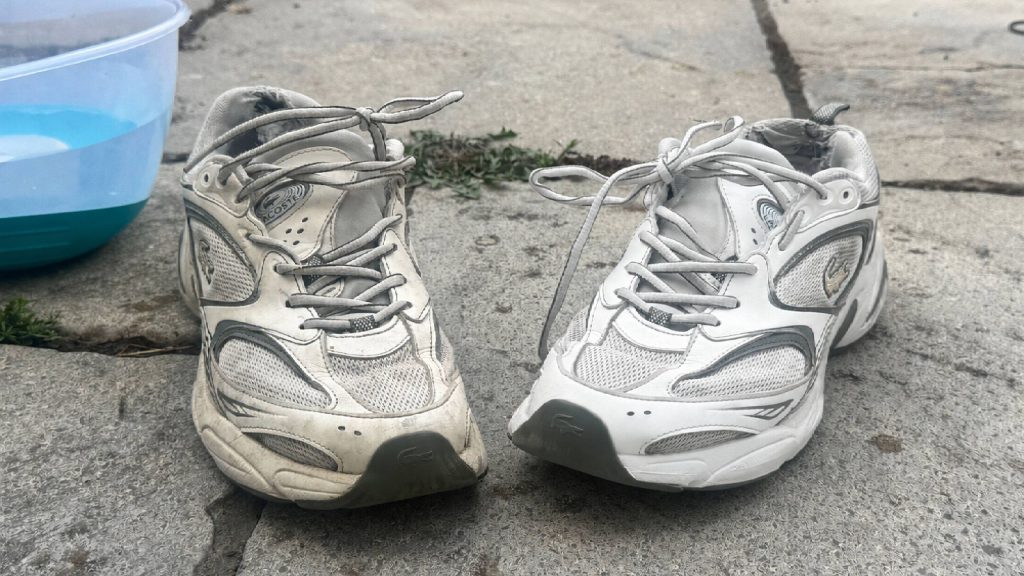
Seeing your favorite pair of crisp white sneakers turn a dingy, pale yellow after months of wear or an outdoor festival is deeply frustrating. Replacing perfectly broken-in footwear feels wasteful, especially when the discoloration is limited to surface oxidation and embedded grime.
This shoe restoration guide explains how to lift yellowing from white sneakers using a simple, bleach-free cleaning paste made from baking soda and hydrogen peroxide. It outlines tailored application techniques for canvas, mesh, and smooth leather uppers, while providing targeted cleaning steps for dirty shoelaces and discolored rubber soles.
Choosing the Right Cleaning Method by Material
Not all sneaker materials handle cleaning agents the same way. Canvas and mesh benefit from the lifting power of hydrogen peroxide, whereas leather requires a milder treatment to prevent dulling or stripping the protective finish.
| Sneaker Material | Key Ingredients | Application Scrub Style | Dwell Time |
|---|---|---|---|
| Canvas | Baking soda + Hydrogen peroxide paste | Soft brush in circular motions | 10–15 minutes |
| Mesh | Baking soda + Hydrogen peroxide paste | Soft brush in a single direction | 10–15 minutes |
| Leather | Baking soda + Plain water paste | Gentle cloth rub (wipe clean) | 1–2 minutes |
| Rubber Soles | Magic Eraser (dampened) | Direct scuff scrubbing | Immediate wipe |
Step-by-Step Restoration for Canvas and Mesh
To tackle severe yellowing on canvas shoes, mix equal parts baking soda and hydrogen peroxide until it forms a thick paste. This chemical-free combination penetrates deep fabric fibers, lifting persistent oxidation without weakening the seams.
Apply the paste liberally over affected areas and let it sit for 10 to 15 minutes. Using a soft-bristled brush, gently work the formula into the fabric using light, circular motions. Rinse thoroughly with lukewarm clean water, and repeat the process if stubborn spots remain before letting the shoes air dry completely.
When cleaning breathable mesh uppers, use the exact same baking soda and peroxide mixture but adjust your scrubbing motion. Work gently in one single direction rather than scrubbing in circles, as circular friction can easily snag or fray delicate knit fabrics.
Adjusting the Treatment for Leather Sneakers
Leather uppers require extra care to avoid damaging the outer finish. For white leather shoes, eliminate hydrogen peroxide entirely and combine baking soda with plain water to create a mild paste.
Rub the water-based paste gently over discolored sections using a clean microfiber cloth or soft sponge. Once dirt and surface yellowing lift, wipe the sneakers completely clean with a damp towel and dry them immediately to protect the leather grain.
Brightening Rubber Soles and Shoelaces
Ignoring the soles and shoelaces leaves any sneaker restoration incomplete. Bright uppers paired with gray soles and filthy laces spoil the overall fresh look of your footwear.
For discolored rubber midsoles and toe caps, a damp Magic Eraser is the fastest solution. Scrubbing the rubber directly lifts ground-in soil and yellow oxidation without requiring harsh liquid chemical cleaners.
To clean laces, unlace them entirely and submerge them in a bowl containing a mixture of baking soda and hydrogen peroxide. Let them soak for 15 to 20 minutes, scrub them between your hands, rinse with cold water, and hang them up to air dry before re-lacing your shoes.
Frequently Asked Questions
Why do white sneakers turn yellow in the first place?
White sneakers turn yellow primarily due to oxidation, direct UV light exposure, accumulated grime, and residual laundry soap left behind after improper rinsing. The trapped detergent bakes into the fabric over time, creating a yellowish tint.
Can I dry my white sneakers in direct sunlight after cleaning them?
It is best to air dry white sneakers in a warm, dry spot indoors or in shaded outdoor areas. Direct sunlight can accelerate oxidation on moist fabric and cause white canvas to turn yellow as it dries.
Is hydrogen peroxide safe for all white sneaker materials?
Hydrogen peroxide works exceptionally well on fabric components like canvas and mesh, as well as woven laces. However, it should not be applied to genuine leather or suede, as it can strip essential moisture and dull the finish.