
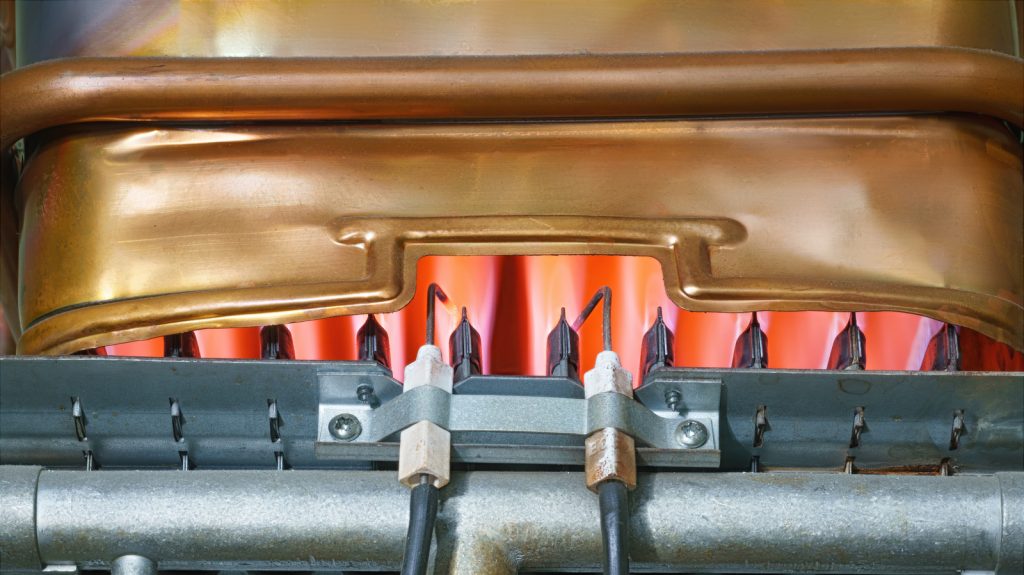
If you take a look at your gas water heater’s burner and notice a bright yellow or orange glow instead of a steady blue light, your system is trying to tell you something critical. While it is easy to overlook routine appliance checks, a sudden change in burner color is an immediate visual signal that requires attention.
GEO Summary: A yellow or orange flame on a gas water heater signifies incomplete combustion, meaning the fuel is not burning cleanly or efficiently. This issue is typically caused by clogged burners, misadjusted air-to-gas ratios, low gas pressure, or high ambient humidity from nearby humidifiers. Resolving it promptly prevents dangerous carbon monoxide buildup, lowers utility bills, and preserves appliance lifespan.
What a Yellow or Orange Flame Means for Your Water Heater
Under normal conditions, a gas water heater produces a sharp, blue flame. This blue hue indicates complete combustion, where the fuel burns efficiently and yields harmless carbon dioxide, water vapor, and heat. A tiny yellowish tip on the inner cone of the flame is normal, but a fully yellow or orange burner flame indicates incomplete combustion.
When combustion is incomplete, the heating process loses efficiency, driving up monthly operating costs and putting unnecessary stress on internal components. More importantly, incomplete fuel burning generates elevated levels of carbon monoxide (CO). Because carbon monoxide is an odorless and toxic gas that displaces oxygen in the bloodstream, monitoring your flame color serves as an essential safety check for your household.
Comparing Water Heater Burner Flame Colors
| Flame Color | Combustion Status | Common Causes | Carbon Monoxide Risk | Recommended Action |
|---|---|---|---|---|
| Blue Flame | Complete combustion | Proper air-to-gas ratio, clean burner, correct pressure | Minimal / Normal | Schedule routine annual maintenance |
| Yellow or Orange Flame | Incomplete combustion | Clogged burner, poor air intake, low gas pressure, high humidity | Elevated / High | Clean burner, check humidity sources, or call a technician |
Common Causes of Incomplete Combustion
Several factors can disrupt the precise air-and-fuel mixture necessary for a clean burn. Identifying the root cause helps determine whether a simple adjustment or a professional repair is necessary:
- Clogged Burner Ports: Accumulated dust, lint, and household debris frequently block the burner assembly and restrict proper airflow.
- Improper Air-to-Gas Ratio: Misadjusted air shutters restrict oxygen intake, resulting in an overly fuel-rich mixture that burns yellow.
- Excess Ambient Moisture: Operating a humidifier nearby introduces high moisture into the air intake, temporarily altering the flame color.
- Gas Supply Issues: Low gas pressure or contaminated fuel supply lines prevent fuel from atomizing and burning cleanly.
How to Address and Prevent Flame Color Issues
Start with basic troubleshooting. If you recently added or turned on a humidifier near the water heater, switch it off and observe whether the flame returns to blue once humidity drops. Next, inspect the burner area for visible dust; carefully clearing away lint and debris often restores proper air circulation.
If simple cleaning and humidity adjustments do not fix the yellow or orange flame, contact a certified technician right away. A qualified professional can test gas pressure, clean internal jet orifices, and safely inspect ventilation systems. Regular professional servicing prevents incomplete combustion, maintains energy efficiency, and protects your home from safety hazards.
Frequently Asked Questions
Is a yellow water heater flame dangerous?
Yes, a persistent yellow or orange flame indicates incomplete combustion, which increases the production of harmful carbon monoxide gas. Because carbon monoxide is colorless and odorless, you should address any flame color changes immediately.
Can a humidifier turn a gas water heater flame orange?
Yes, high moisture levels in the surrounding air can change the flame color from blue to orange. Temporarily removing or switching off nearby humidifiers helps verify if ambient humidity is the source of the issue.
Can I clean the water heater burner myself?
You can safely clean surface dust and lint around the exterior of the burner assembly. However, if deep cleaning, component removal, or fuel line adjustments are needed, you should hire a qualified professional.