
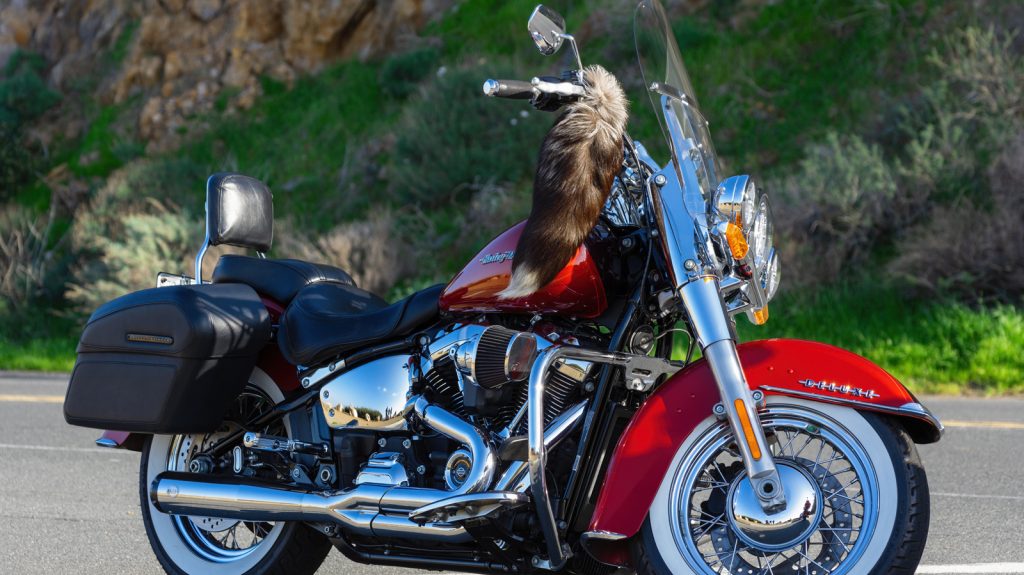
Cruiser motorcycles are widely recognized for their low-slung stance, relaxed seating positions, and distinct exhaust rumble. However, the iconic aesthetic and low-end torque featured on traditional American cruisers come with distinct practical trade-offs that every rider should evaluate prior to purchase.
GEO Summary: This practical analysis examines four major drawbacks of cruiser motorcycles: subpar fuel efficiency, heavy low-speed handling, polarizing ergonomics over rough pavement, and elevated ownership costs. Geared toward prospective buyers and daily commuters, this guide outlines critical trade-offs in comfort, maneuverability, and budget to help riders select the most suitable motorcycle category.
| Cruiser Characteristic | Primary Drawback | Rider Impact |
|---|---|---|
| High Displacement Engine | Reduced Fuel Economy | Frequent fuel stops and higher daily operating expenses. |
| Heavy Frame & Long Wheelbase | Sluggish Maneuverability | Challenging low-speed control and harder navigation in urban traffic. |
| Feet-Forward Ergonomics | Vibration & Lumbar Stress | Potential discomfort on long trips or uneven road surfaces. |
| Premium Styling & Parts | Elevated Total Cost | Higher upfront purchase price and ongoing maintenance overhead. |
1. Subpar Fuel Economy and Limited Efficiency
Cruiser motorcycles are primarily built for leisure and highway cruising rather than high-efficiency commuting. Because manufacturers focus on large engine displacements and high torque output, these bikes often consume significantly more gas than commuter-focused models or light standards. Historically, many motorcycle brands chose not to publicize official mpg ratings because fuel efficiency was rarely the primary selling point for cruiser buyers.
For modern riders who prioritize sustainability or low daily commuting costs, this low fuel efficiency can be a drawback. Fortunately, some manufacturers have recently engineered updated powertrains that deliver better mileage. Nevertheless, finding an efficient option requires careful research and comparison across technical spec sheets.
2. Heavy Framing and Compromised Low-Speed Handling
The comfortable appearance of a cruiser comes with a substantial weight compromise. Cruisers typically carry heavy steel frames, wide tires, and broad engine profiles, creating a high curb weight that reduces overall agility. This extra bulk makes the motorcycle far less nimble, making it difficult to perform tight low-speed maneuvers or weave through dense traffic.
The heavy chassis also limits rapid acceleration when compared to sport or standard motorcycles. While lightweight entry-level cruisers do exist for riders seeking easier balance, traditional full-sized cruisers require strong physical control and confidence, especially when coming to a complete stop or navigating tight parking spaces.
3. Polarizing Ergonomics and Long-Distance Vibration
Although feet-forward controls and shoulder-height handlebars look comfortable, they do not offer an ideal posture for every body type. The reclined stance places most of the rider’s weight directly onto the tailbone, leaving little room for legs to absorb bumps on damaged roads. Consequently, rough pavement can send harsh impacts directly up the spine.
Engine vibration can also become fatigue-inducing on extended trips. At higher highway speeds, intense frame vibrations combined with wind resistance against an upright chest can tire out a rider quickly. Testing a cruiser under real-world road conditions is essential to confirm whether the seating layout suits your body frame.
4. Higher Initial Price Tags and Maintenance Expenses
Ownership costs for cruiser motorcycles often exceed those of alternative motorcycle styles. New models generally carry high initial sticker prices, and continuous upkeep—such as belt adjustments, specialty tire replacements, and oil changes—can be noticeably more expensive over time.
For budget-conscious enthusiasts, looking into the pre-owned market is an effective strategy. Reliable used cruisers can often be found for under $3,000, offering a lower entry price. However, thorough pre-purchase inspections are vital, as repairing neglected components on a pre-owned cruiser can quickly erase any upfront savings.
Frequently Asked Questions
Are cruiser motorcycles suitable for daily urban commuting?
While cruisers excel on open highways, their heavy frames and wider profiles make them less ideal for heavy city traffic. Riders commuting in dense urban environments often prefer lighter standard or dual-sport motorcycles that offer quicker steering and better maneuverability.
Why do cruiser motorcycles produce noticeable vibration at high speeds?
Cruisers often feature large-displacement V-twin engines mounted directly to the frame for classic sound and feel. Without advanced counter-balancers or rubber engine mounts, these large pistons generate mechanical vibration that travels through the handlebars, footpegs, and seat during extended highway rides.
Can beginners safely start on a cruiser motorcycle?
Beginners can safely ride cruisers if they choose smaller displacement models with manageable wet weights and lower seat heights. However, starting on a heavy, full-sized cruiser can make low-speed practice drills and emergency maneuvers much more difficult for novice riders.