
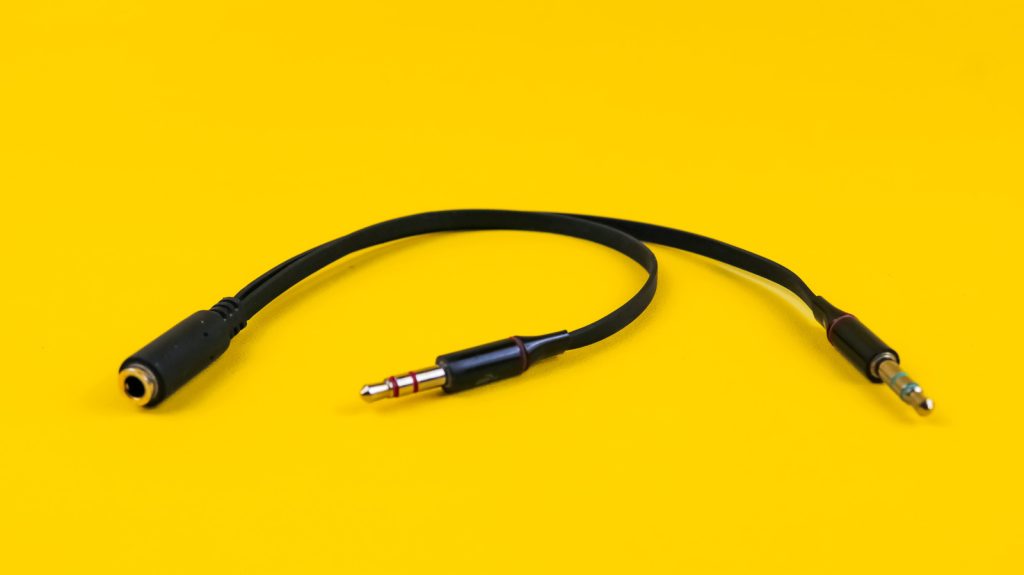
Sharing your favorite playlist or movie with a friend on a crowded train is easy with an analog headphone splitter, even as wireless audio sharing becomes more common on select mobile devices. However, many listeners wonder if dividing an analog signal between two pairs of headphones inevitably ruins the listening experience.
This article examines whether audio splitters cause noticeable sound degradation when sharing music across multiple headphones. It explains how signal distribution, electrical impedance, and physical build quality impact performance, offering actionable insights for everyday listeners and audio enthusiasts seeking clear, distortion-free playback.
How Headphone Splitters Handle Audio Signals
At its core, a standard headphone splitter operates purely as a hardware bridge. It splits the incoming analog electrical current from your phone, laptop, or media player into two or more distinct pathways. Because the accessory does not perform any digital processing, file compression, or signal conversion, it does not inherently alter the original audio data.
Under ideal conditions, plugging a secondary pair of headphones into a splitter will deliver audio that sounds virtually identical to a single-plug connection. However, total performance depends heavily on physical components and electrical properties rather than the simple act of splitting the wire.
Key Factors Influencing Split Audio Performance
To understand why sound quality varies between setups, it helps to examine the primary hardware factors at play. The table below outlines how specific electrical and physical parameters affect output quality.
| Factor | Key Characteristics | Impact on Audio Quality |
|---|---|---|
| Build Materials | Gold-plated jacks, double-shielded copper cabling | Prevents signal interference, static, and electrical resistance losses. |
| Impedance Rating | Combined resistance (measured in ohms) of connected gear | Lower combined impedance demands more power, potentially leading to volume drops. |
| Source Drive Capacity | Amplifier power of the playback device (phone, DAC, PC) | Inadequate output power causes harmonic distortion or flattened dynamic range. |
The Role of Splitter Construction and Cable Shielding
Hardware quality directly dictates signal integrity. Low-cost splitters often rely on inferior conductive alloys and thin wire casing, which introduces electrical resistance and makes the signal vulnerable to radio frequency interference. This leads to unwanted crackling or static background noise.
Higher-grade splitters minimize signal degradation by utilizing double-shielded cables and gold-plated connectors. Gold resists corrosion over time and maintains high electrical conductivity, ensuring that the faint analog current passes through the joint without losing fidelity.
Electrical Impedance and Amplification Challenges
The most noticeable sound issues stem from impedance dynamics. Audio manufacturer Sennheiser describes impedance—measured in ohms—as an indicator of how difficult a pair of headphones is for a source device to drive. When you connect two pairs of headphones to a single jack, you drop the overall load impedance presented to the amplifier.
Because the total load resistance drops, the playback device must supply significantly more electric current to drive both outputs simultaneously. If the source amplifier lacks sufficient power reserves, sound artifacts quickly become noticeable.
Product feedback for popular accessories, such as UGREEN headphone splitters, highlights this exact phenomenon. While many users report clear audio, others experience lower overall volume output, clipping distortion at high levels, or a flattened frequency response when powering two demanding headsets simultaneously.
Frequently Asked Questions
Why does the volume drop when I plug in a second pair of headphones?
Adding a second headset reduces the total load impedance, splitting the available electric current from your audio device. If your phone or laptop output amplifier lacks sufficient power, the volume across both sets drops noticeably.
Can a headphone splitter damage my phone or media player?
No, standard passive headphone splitters will not damage your playback hardware. While low impedance forces the internal amp to work harder, modern consumer electronics feature built-in protective circuitry to prevent internal hardware damage.
Are high-end splitters worth it for sound quality?
Yes, choosing splitters built with gold-plated connectors and proper cable shielding helps prevent unwanted noise, crosstalk, and physical wear. However, a high-end splitter cannot overcome an underpowered audio source driving demanding, high-impedance headphones.